What It’s Really Like Working as a Store Associate at Lidl (And Why the Pay Might Surprise You)
I still remember the first time I walked past a Lidl and saw the “Now Hiring – Starting at $20.50/hour” sign in the window. My first thought was honestly, “That has to be a typo.” I’d spent enough time job hunting in retail to know that most grocery store gigs start somewhere in the $13-15 range, especially for entry-level positions. So when a friend of mine actually applied and got hired, I made her tell me everything.
What she found — and what I’ve since confirmed by talking to a handful of other Lidl employees — is that this job isn’t quite what people expect when they hear “grocery store associate.” It’s more physical, more varied, and honestly more demanding than working a register at your average supermarket. But the pay and benefits package is also legitimately one of the better deals you’ll find in hourly retail work right now.
If you’re considering applying, here’s the real breakdown — not the sanitized version.
Why Lidl Pays More Than Most Grocery Chains
Lidl is a German-owned grocery chain that’s been expanding pretty aggressively across the U.S. over the past several years. One thing that sets them apart from chains like your regional supermarket is that they run a leaner operation — smaller store footprints, fewer specialized roles, and a heavier reliance on associates who can do a bit of everything.
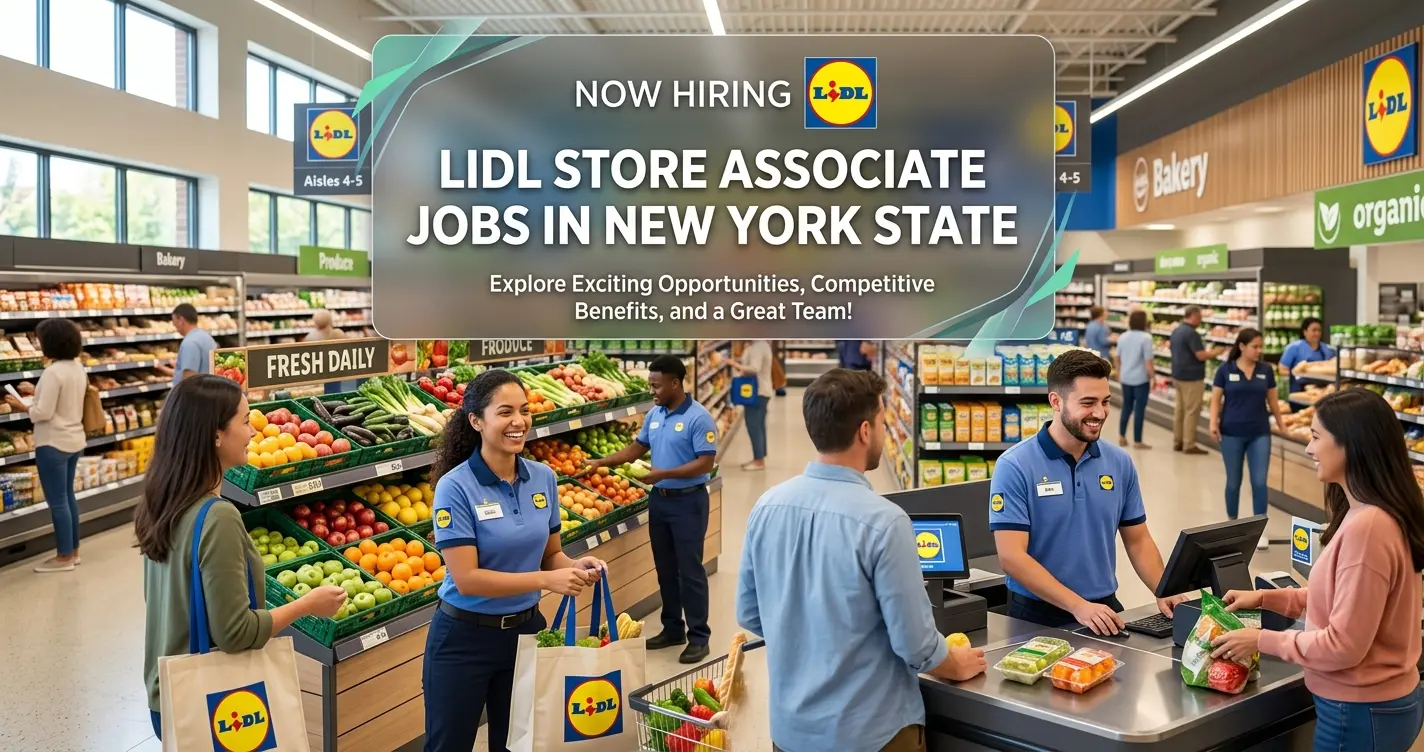
That’s actually the trade-off behind the higher pay. You’re not just standing at a register for eight hours. You’re unloading trucks, restocking shelves, working the bakery, setting up weekly promotions, and jumping on a register the second a line forms. It’s a “wear multiple hats” kind of job, and the pay reflects that versatility.
What a Shift Actually Looks Like
Based on what I’ve heard from people who’ve worked this role, here’s a rough idea of how a shift breaks down:
Morning shifts (starting as early as 5 am) are usually about receiving deliveries. Trucks show up early, and someone needs to be there breaking down pallets, checking inventory against the delivery manifest, and getting product onto shelves before the store opens. This is the physically toughest part of the job — you’re lifting boxes that can weigh 50+ pounds, and you’re doing it repeatedly for a couple of hours straight.
Midday tends to shift toward customer-facing work. You might be on registers, helping someone find the balsamic vinegar, or restocking the produce section as it empties.
Evening shifts (which can run until 11 pm) often involve cleaning duty — sweeping, mopping, wiping down surfaces, taking out trash, and generally making sure the store looks presentable for the next morning’s opening crew.
The thing that surprised my friend most wasn’t the physical work — it was how much she ended up learning about bakery operations. Lidl bakes a lot of its bread and pastries in-house, and associates rotate through helping with that,t too. She said nobody really explains this in the interview, so if you’re expecting to just stock cereal boxes, be ready for a broader role.
Step-by-Step: How to Actually Land This Job
If you’re serious about applying, here’s how to set yourself up for success:
1. Apply directly through Lidl’s careers page or Indeed.
Don’t just fire off a generic resume. Lidl’s application process typically includes some behavioral-style questions about working in fast-paced environments — answer those honestly and specifically.
2. Be upfront about your availability.
This job requires real flexibility. If you can’t do early mornings or late nights, say so during the interview rather than after you’re hired. Store managers value honesty here because scheduling conflicts create real problems for the whole team.
3. Mention any physical capability directly.
Since the job requires lifting over 50 pounds and reaching shelving above 10 feet, it helps to mention if you’ve done physical work before (moving, warehouse work, even manual labor jobs). It reassures the hiring manager that you know what you’re getting into.
4. Ask about the training plan during your interview.
Lidl advertises “dedicated training plans,” and it’s worth asking exactly what that looks like at the store you’re applying to. Some locations do a more hands-on shadowing approach; others are faster-paced. Knowing this ahead of time helps you mentally prepare.
5. Bring a couple of specific questions about scheduling.
Since shifts range from 5 am to 11 pm, ask how shift rotations typically work at that location — whether you’ll have a consistent schedule or if it varies week to week. This matters a lot if you have other commitments like school or a second job.
The Benefits Are Genuinely Worth Paying Attention To
This is the part that made me sit up when my friend first told me about it. A lot of entry-level retail jobs dangle “benefits” that turn out to be pretty thin once you actually look at the fine print. Lidl’s package is more substantial than what I’ve seen at comparable chains:
- Medical, dental, and vision coverage — available to hourly employees, not just salaried management
- A 401(k) with a 5% company match, which is honestly rare for hourly retail work
- Paid time off you can use for sick days or vacation
- AD&D and term life insurance options
- DailyPay, which lets you access earned wages before the actual payday — useful if you’re trying to avoid overdraft fees or unexpected expenses between paychecks
That 401k match specifically stood out to me. A lot of part-time and entry-level jobs either don’t offer retirement benefits at all, or they’re only available after a year of employment. Getting matched contributions from day one (or close to it) as a store associate is a genuinely good deal in this part of the job market.

Mistakes People Make When Applying for or Starting This Job
Underestimating the physical demands. A few people I’ve talked to assumed this would be similar to working at a smaller convenience store. It’s not. The lifting requirements are real, and if you have any back issues or physical limitations, this might not be the right fit.
Not clarifying shift expectations upfront. Some new hires get frustrated when they’re scheduled for closing shifts they didn’t expect. Ask about typical scheduling patterns during your interview so there are no surprises.
Treating it as “just a cashier job.” If you go in expecting to only work registers, you’ll be caught off guard by the bakery rotations, stocking duties, and cleaning responsibilities. Going in with the right expectations makes the adjustment period much smoother.
Not asking about the store’s specific culture. Every Lidl location is run a little differently depending on the store manager. Some are more rigid, others more flexible. If you know anyone who’s worked at that specific location, it’s worth asking them directly before you commit.
Click the button below to submit your application directly for this position.
Is It Worth Applying?
Honestly, if you’re looking for hourly retail work and you’re comfortable with physical labor and flexible scheduling, this is one of the stronger options out there right now. The pay is noticeably above average for the role, and the benefits — especially that 401k match and DailyPay option — put it ahead of a lot of comparable jobs.
It’s not a laid-back gig where you’re mostly standing around. You’ll be moving, lifting, learning new tasks, and jumping between different parts of the store throughout your shift. But if that kind of variety appeals to you more than sitting behind a register all day, it might be exactly the fit you’re looking for.
If you do apply, go in with realistic expectations about the physical demands and the early/late shift possibilities, ask good questions during your interview, and you’ll have a much smoother start than most new hires do.
If you’re ready to turn your skills into income, check out our full guide on Human Resources Analyst Jobs in Dodson, Texas
1 thought on “Lidl Store Associate Jobs in New York State”